
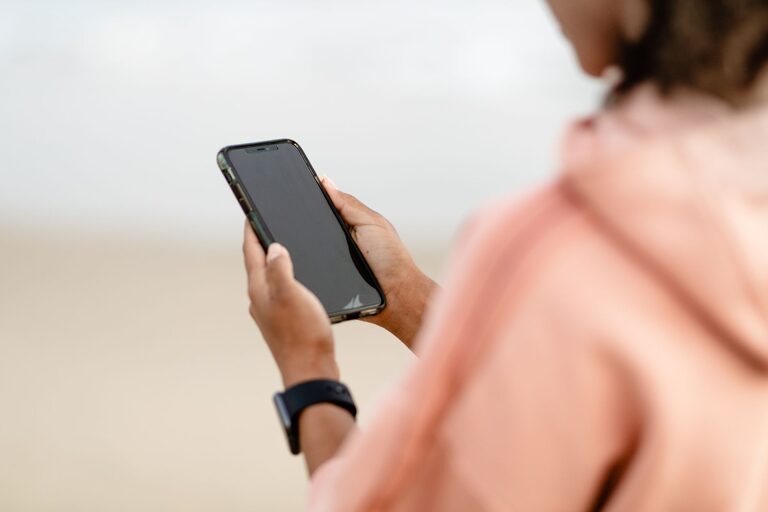
How to Maintain Healthy Phone Habits for Better Well-Being
In today’s digital world, our smartphones are essential tools for communication, work, and entertainment. However, excessive or unmindful phone use can impact our well-being, focus, and even sleep quality. Developing healthy phone habits helps you stay connected while maintaining balance and reducing stress. This guide shares simple, practical tips to create a healthier relationship with your phone.
Why Healthy Phone Habits Matter
Smartphones keep us linked to friends, family, and information. But overuse can lead to distractions, anxiety, and physical discomfort like eye strain or neck pain. Unhealthy phone habits might make it harder to concentrate or relax, affecting productivity and relationships.
By building mindful phone routines, you can:
– Improve focus and productivity
– Reduce stress and digital burnout
– Protect your sleep quality
– Strengthen personal connections
– Enhance your overall well-being
Tips for Maintaining Healthy Phone Habits
Set Clear Time Limits
One of the easiest ways to avoid overuse is by setting boundaries. Many smartphones have built-in screen time features that allow you to monitor and limit usage.
– Use apps or device settings to track your daily screen time.
– Set specific time limits for social media, games, or other apps.
– Schedule phone-free periods throughout your day, such as during meals or one hour before bed.
Create Phone-Free Zones
Designate areas in your home or workplace where phone use is discouraged. This encourages mindfulness and face-to-face interactions.
– Keep your phone out of the bedroom to improve sleep quality.
– Avoid using your phone at the dining table to focus on conversations.
– Set up a charging station outside common living spaces.
Turn Off Non-Essential Notifications
Notifications can be constant distractions, pulling your attention away from tasks or relaxation.
– Review your notification settings and disable alerts for non-urgent apps.
– Use “Do Not Disturb” mode during focused work or rest times.
– Group notifications to check periodically instead of instantly.
Practice Mindful Phone Use
Mindfulness encourages conscious awareness of your phone habits, helping reduce impulsive checking.
– Before unlocking your phone, pause and ask yourself if it’s necessary.
– Avoid multitasking with your phone during work or conversations.
– Use your phone purposefully, rather than as a boredom filler.
Use Tech Features to Your Advantage
Modern devices offer several tools to support healthier phone use.
– Enable grayscale mode to make your screen less visually stimulating.
– Use app timers to limit daily usage.
– Utilize focus or productivity modes on your device.
Prioritize Real-Life Connections
Phones are great for staying in touch virtually, but don’t forget the value of in-person interactions.
– Schedule regular meetups or calls with friends and family.
– Engage fully when spending time with loved ones by putting phones away.
– Join social activities or clubs to reduce reliance on digital communication.
Take Regular Breaks from Screens
Extended screen time can cause eye strain and fatigue.
– Follow the 20-20-20 rule: every 20 minutes, look at something 20 feet away for 20 seconds.
– Stand up and stretch periodically.
– Consider outdoor walks or activities without your phone.
Establish a Healthy Bedtime Routine
Using phones late at night can interfere with sleep by emitting blue light that disrupts melatonin production.
– Avoid screen use at least 30 minutes before bedtime.
– Read a book, meditate, or listen to calming music instead.
– Use “night mode” or blue light filters if you must use your phone in the evening.
Common Challenges and How to Overcome Them
Habitual Checking
Many people check their phones out of habit, even without notifications.
– Keep your phone in another room when possible.
– Replace phone checking with another habit, like stretching or taking deep breaths.
Fear of Missing Out (FOMO)
Social media can trigger anxiety about missing important updates.
– Remind yourself that it’s okay to disconnect and focus on your own life.
– Limit social media use to specific times of the day.
Work Demands
Sometimes work requires heavy phone use, making it hard to separate personal time.
– Set clear work hours and communicate boundaries with colleagues.
– Use separate devices when possible for work and personal life.
Final Thoughts
Maintaining healthy phone habits takes intentional effort but offers lasting benefits for your mental and physical health. By setting limits, creating mindful routines, and prioritizing real-world connections, you can enjoy technology’s advantages without feeling overwhelmed. Start with small changes today and notice how a balanced approach to phone use improves your daily life.
Remember, your phone is a tool — make it serve you, not the other way around!
